
Real Sites.
Real Outcomes.
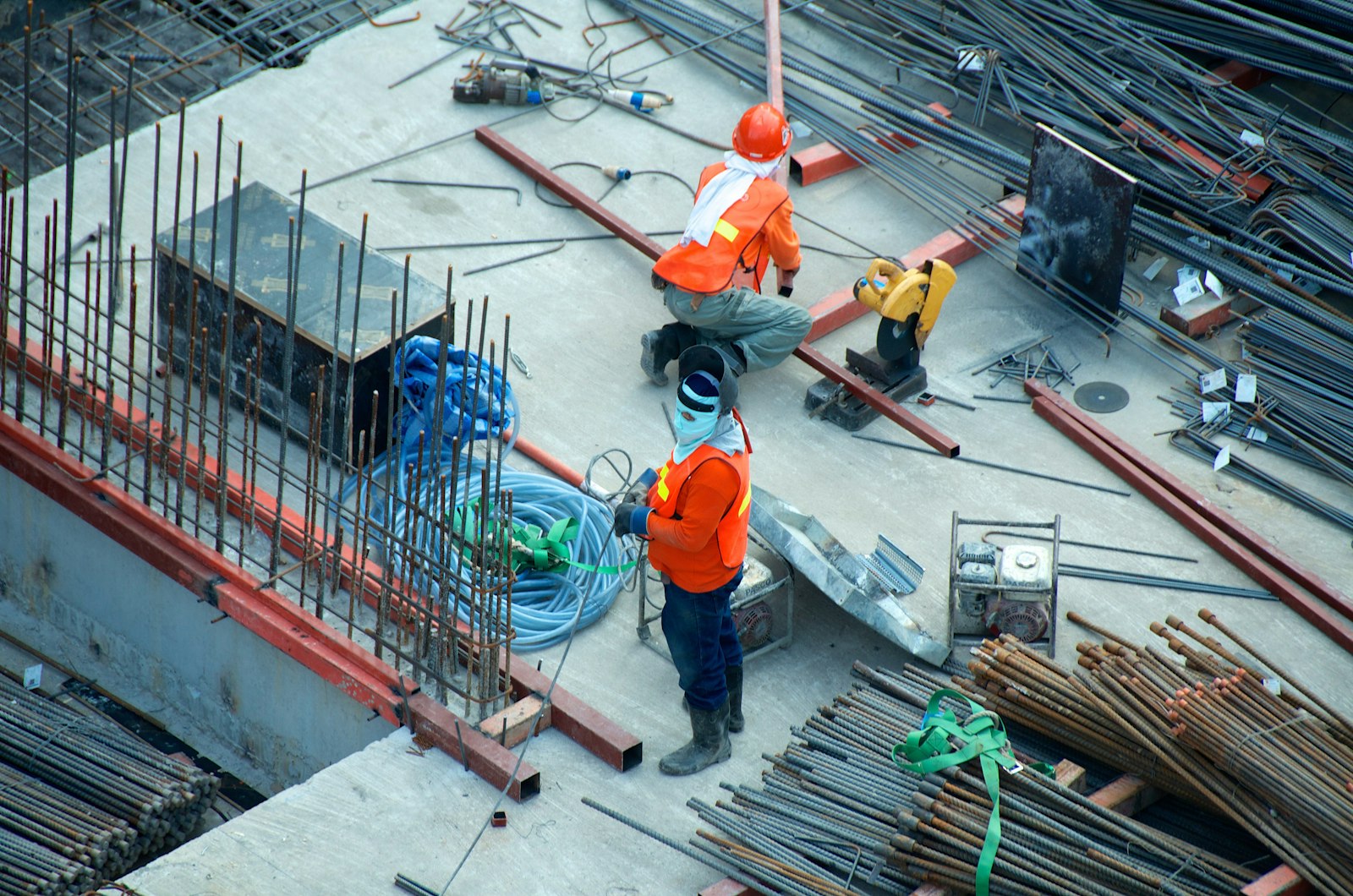
FTR Solutions' systems applied across high-rise precast residential, AAC block mid-rise developments, commercial waterproofing, and large-scale Mivan housing programmes — each solving a real construction problem at the material level.



High-Rise Residential: Precast Construction
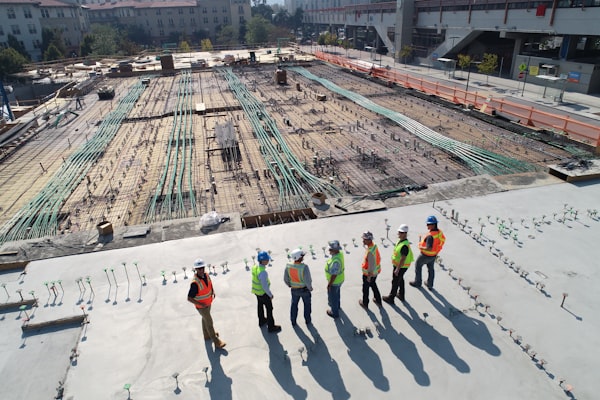
35-floor residential tower — seamless finish across hundreds of panel joints on a tight programme with zero rework tolerance.
A 35-floor residential tower constructed using precast concrete panels presented the developer's finishing contractor with a common but difficult challenge: achieving a seamless, crack-free plaster finish across hundreds of panel joints, with a tight construction programme and no tolerance for rework.
Previous projects using conventional site-mix plaster over precast panels had experienced early joint cracking — visible through the paint finish within 12 months of handover, generating client complaints and warranty claims.
 Panel Joints
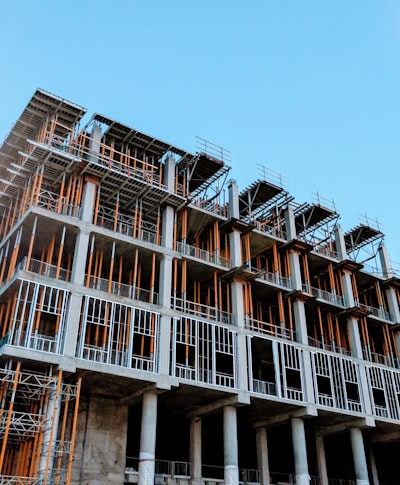 ERP Application
The project specified the complete FTR precast surface system: NoRust on all exposed tie-rod points, ERP-based joint treatment with elastomeric joint filler, ERP Fiber base coat across panel surfaces, and ERP Smooth finishing coat.
Specifying an elastomeric joint treatment over rigid joint mortar eliminates the root cause of joint cracking — movement accommodation — rather than attempting to repair a symptom that will recur.

Mid-Rise Residential: AAC Block Construction
8-floor residential buildings with recurring plaster cracking at block-frame interfaces — traced to mortar bond failure and rigid plaster over a moving substrate.
A developer constructing 8-floor residential buildings using AAC block infill walls in an RCC frame was experiencing recurrent cracking in the plaster finish — particularly at block-column and block-beam interfaces. The cracking was occurring within months of handover, creating significant warranty and reputation risk.
Investigation identified two root causes: inadequate inter-course bond strength from the conventional OPC-sand block-laying mortar, and the use of rigid cement plaster over AAC blocks that were experiencing predictable differential thermal movement relative to the RCC frame.
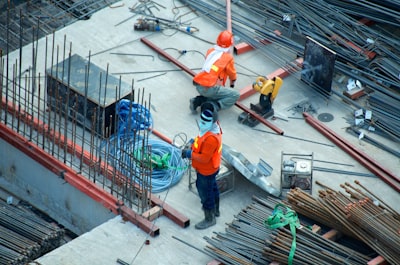 Crack Pattern
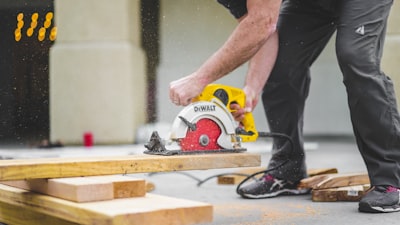 Block Bond Applied
The complete FTR AAC block system was specified for the remaining buildings: Block Bond polymerised mortar for block laying, ERP Fiber elastomeric base coat, and ERP Smooth finishing coat.
AAC block cracking is predictable and preventable — but only if the plaster system is designed for the substrate's movement behaviour from the outset. Remediation after cracking is always more expensive than correct specification.

Terrace Waterproofing: Commercial Building
Persistent water ingress through an occupied commercial terrace — previous treatments had failed twice. Required a system that addressed all three waterproofing mechanisms.
A commercial building with an occupied terrace was experiencing persistent water ingress through the terrace slab, causing ceiling damage to occupied spaces below. Previous waterproofing treatments had failed within 2–3 years — a pattern attributed to both inadequate product selection and poor joint detailing.
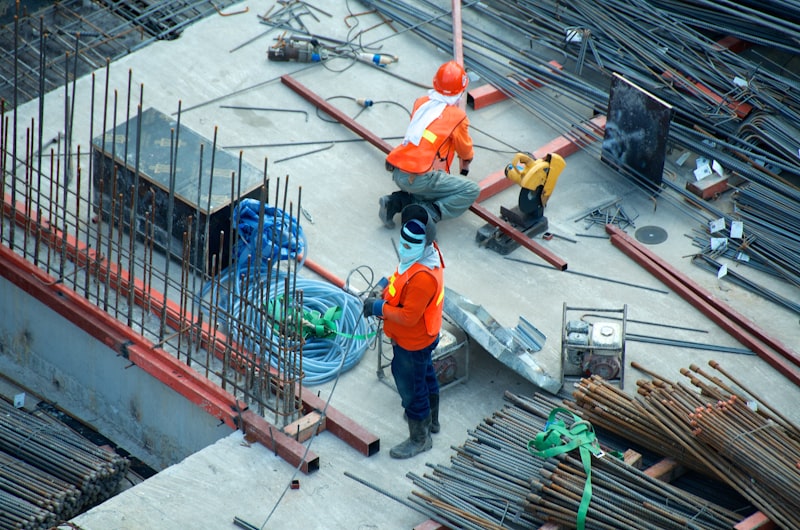 NoSeep System Application
The existing failed membrane was removed and the substrate prepared. NoSeep-1 was applied in two coats as a penetrating primer, sealing substrate micro-cracks and pores. NoSeep-2 was then applied in two coats with a nylon mesh reinforcement layer, creating a reinforced elastomeric membrane across the full terrace area and upstands.
Waterproofing failures are almost always caused by systems that address only one of three required mechanisms. A system that penetrates, membranes, and crack-bridges is the only reliable solution for substrates subject to movement and Indian monsoon exposure.

Mivan Housing Programme: Mass Defect Repair
Large-scale affordable housing project — thousands of apartment units with standard Mivan surface defect profiles and a repair programme behind schedule.
A large-scale affordable housing project using Mivan aluminium formwork was producing the typical surface defect profile: tie-rod holes, pinholes, honeycombing, and hairline shrinkage cracks across thousands of apartment units. The repair and finishing programme was behind schedule due to the volume of defects and the inconsistent performance of the standard repair mortars being used.
 Housing Blocks
 Repair in Progress
FTR Solutions was engaged to standardise the repair and finishing system across the project: NoRust on all tie-rod points, ERP repair plaster for honeycombing and larger defects, ERP Fiber base coat for crack-bridging, and ERP Smooth finish coat.
On large Mivan programmes, the cost of repair material is small relative to the cost of labour and rework. Specifying a higher-performance elastomeric repair system pays for itself many times over in reduced rework rates and programme recovery.
FTR Systems in Action
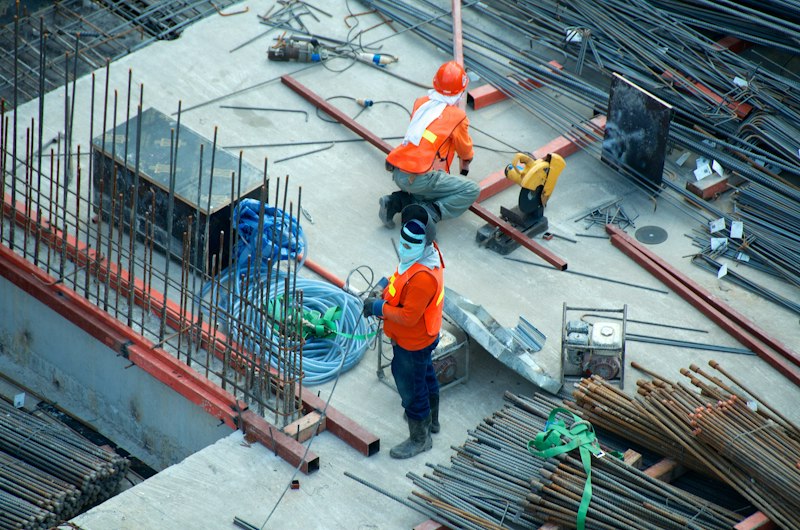 Plaster Application
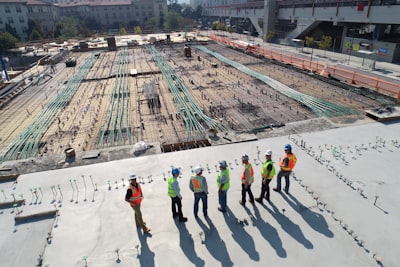 High-Rise Precast
 AAC Block Work
 Waterproofing
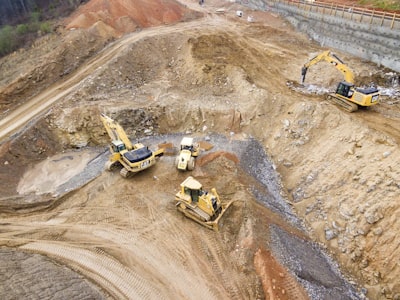 Joint Treatment
 Completed Project
What the Evidence Consistently Shows

Every case study traces failure to a material that couldn't accommodate substrate movement. Addressing the root cause — movement — eliminates the failure permanently.
The difference between success and failure in every case was specification — not workmanship. The right material, correctly specified, performs regardless of site variability.
In every case, the cost of correct specification was a fraction of the remediation cost incurred by the failed conventional approach. Correct specification is always the lower-cost option.
The monsoon season finds every weakness in a surface system. Materials that perform adequately in stable conditions consistently fail under India's thermal cycling and seasonal humidity.

Discuss Your Project Challenge
The pattern across our case studies is consistent: correct specification at the outset costs less and performs better than remediation. Tell us your construction type and substrate — and we'll recommend the right system.